Ashes Into Glass: Costs, Options, and How to Choose Well
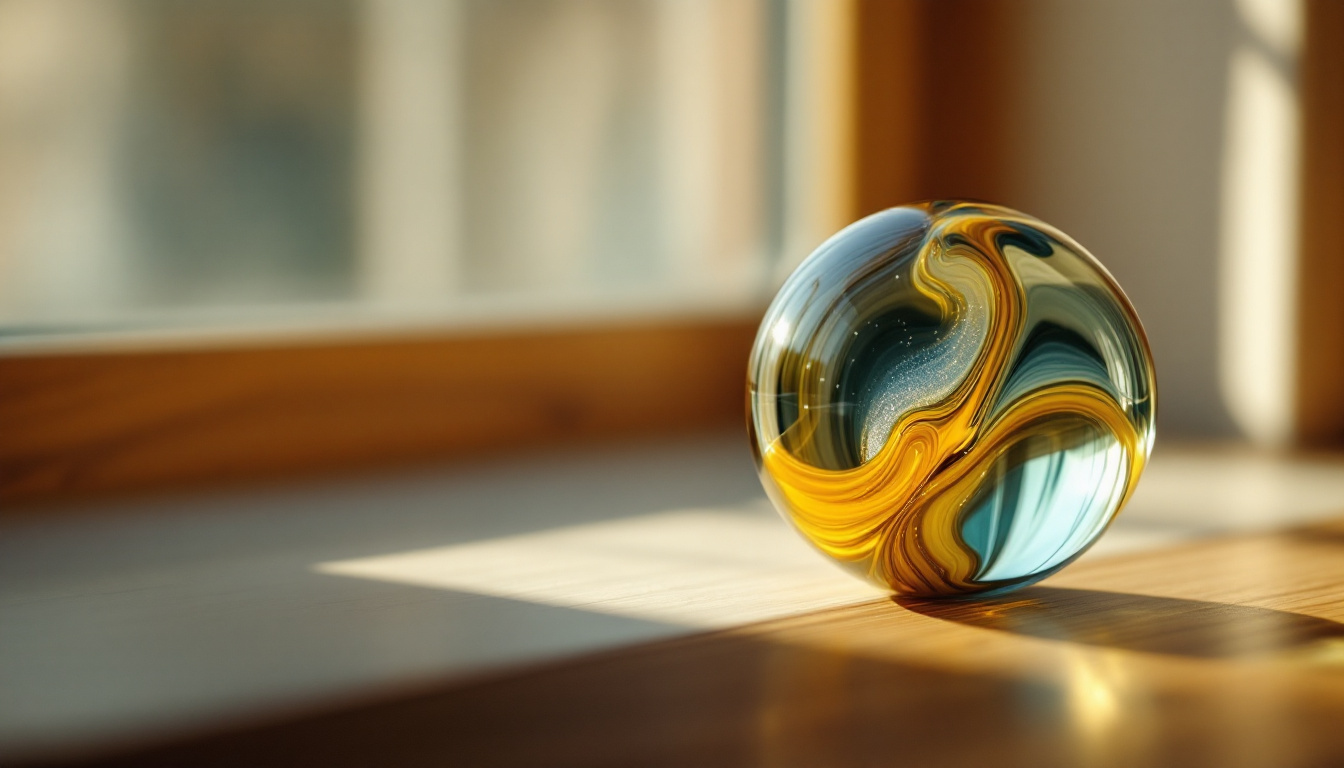
Turning a small amount of cremated ashes into glass is one of the most popular forms of cremation art, and for good reason: the pieces are beautiful, durable, affordable, and the ash itself stays visible — a swirl of white suspended in color. If you're researching it, this guide covers how the process actually works, what it costs, who the established providers are, and the handful of things families wish they'd known before ordering.
One note of honesty before we start: I'm Preston Zeller, a memorial artist. I paint commissioned memorial paintings, some of which incorporate ashes — which makes me both a knowledgeable guide and, technically, an alternative to the companies below. I've tried to be scrupulously fair, because glass is genuinely the right choice for many families, and you deserve a straight answer about whether you're one of them.
How ashes become glass
The process is simpler than most people expect. A glass artist gathers molten glass, adds color, then rolls the hot glass through a small amount of cremated ash — usually between half a teaspoon and a tablespoon. The heat fuses the ash into the glass permanently, and because cremated remains are mostly calcium phosphates, the ash stays white and visible rather than melting away. That visible swirl is the heart of the appeal: you can point to it.
Because so little ash is used, glass pairs naturally with everything else you might do. Families routinely scatter most of the ashes, keep some in an urn, and send a spoonful to a glass studio. If you're still weighing the whole decision, my guide to what to do with a loved one's ashes walks through all twelve options side by side.
What cremation glass costs
Prices are consistent across the industry, which makes budgeting straightforward:
| Type of piece | Typical range |
|---|---|
| Small keepsakes — touchstones, marbles, pendants | $70–$150 |
| Display pieces — orbs, hearts, paperweights, flames | $130–$300 |
| Hanging pieces — suncatchers, garden orbs, hummingbirds | $130–$300 |
| Larger sculptures and custom work | $300–$600+ |
| Cremation jewelry in glass or resin | $69–$550 |
Ranges are approximate 2026 figures for orientation — always confirm current pricing with the provider. Most families spend between $130 and $300 per piece, and many order several at once so siblings or grandchildren each have one; studios often discount multiples made from the same batch.
The established providers
Spirit Pieces
Spirit Pieces is the largest name in the category — a network of American glass artists offering an enormous catalog: orbs, hearts, flames, tree-of-life sculptures, suncatchers, hummingbirds, touchstones, keepsake urns, and an extensive jewelry line. Glass art generally runs $129–$299, jewelry $69–$549. You order first, they mail a collection kit within about a week, you return a small amount of ashes, and the finished piece arrives roughly six weeks later. I've written a full Spirit Pieces review if you want the detailed look.
Artful Ashes
Artful Ashes is a Seattle glass studio, working since 2012, best known for its hearts and orbs with a signature swirl of color and ash. It's a single studio rather than a network, which means a consistent hand in every piece — and if you're in the Seattle area, you can visit and watch your memorial being made, which some families find profoundly meaningful. They ask for about a tablespoon of ashes per piece and serve both human and pet memorials. I compare the two companies directly in Spirit Pieces vs. Artful Ashes.
Your local hot shop
Don't overlook glassblowing studios near you. Many will do memorial work on request even if they don't advertise it, and you get to meet the person whose hands will hold the ashes. Ask directly; the worst answer is no.
What glass is genuinely good for
- An accessible price. At $130–$300, glass is the most affordable way to have ashes transformed by an artist's hands into something beautiful.
- The visible swirl. Unlike jewelry with a hidden chamber, the ash in glass is part of what you see. Families find real comfort in that.
- Sharing among family. Multiple pieces from one small portion of ashes means everyone keeps something — no negotiation over a single object.
- Durability. Glass doesn't fade, tarnish, or need care. It sits in a window and catches light for generations.
Worth knowing before you order
- The designs come from a catalog. You choose a shape and colorway that existed before your loved one's name entered the process. The piece is personal — it holds their ashes — but it isn't personalized to who they were. For some families that distinction doesn't matter at all. For others, it's the whole question; I've written honestly about it in cremation glass or a memorial painting.
- Shipping ashes has one legal route. In the United States, only USPS may ship cremated remains — Priority Mail Express with the Label 139 endorsement. Reputable providers send a collection kit with exactly the right packaging and instructions, which is a good test of professionalism.
- Send only what's needed. A studio asking for half a teaspoon doesn't need more. Keep the rest until you're certain of your plans; there is no deadline on any of this.
- Small pieces can end up in drawers. The honest failure mode of keepsakes: a touchstone gets tucked away and forgotten. If you want a daily presence, choose something that hangs, sits on a windowsill, or hangs on a wall.
When glass isn't the answer
Glass is the right call when you want something beautiful, affordable, and shareable. It's the wrong call if what you actually want is a memorial built from who they were — their humor, their stubbornness, the particular way they filled a room. A catalog shape can't carry that, and it isn't trying to.
That's the work I do: original commissioned memorial paintings, designed one-on-one from your memories, with a small amount of ashes worked into the paint itself. It's a different commitment — commissions start at $4,900 and take weeks of conversation and painting — and it occupies a wall rather than a shelf. Many families do both: glass keepsakes for the extended family, one painting for the home where everyone gathers. Because each uses only a spoonful of ashes, nothing about choosing one forecloses the other.
Frequently asked questions
How much ash does glass art use?
Typically half a teaspoon to a tablespoon per piece. Even ordering several pieces uses only a small fraction of the ashes, which is why glass combines so easily with scattering, keeping an urn, or commissioning other art.
Is it safe to mail ashes?
Yes, through the one legal channel: USPS Priority Mail Express with cremated-remains packaging. Established providers include a proper collection kit with tracking. Never use a private carrier — FedEx and UPS both prohibit cremated remains.
Can you actually see the ashes in the glass?
Yes — this is glass art's distinctive quality. Cremated ash stays white in molten glass, so it appears as a visible swirl or veil inside the piece.
How long does it take?
Plan on four to eight weeks from mailing the ashes to receiving the finished piece, depending on the provider and season.