Cremation Jewelry: An Honest Guide to Types, Costs, and Choosing Well
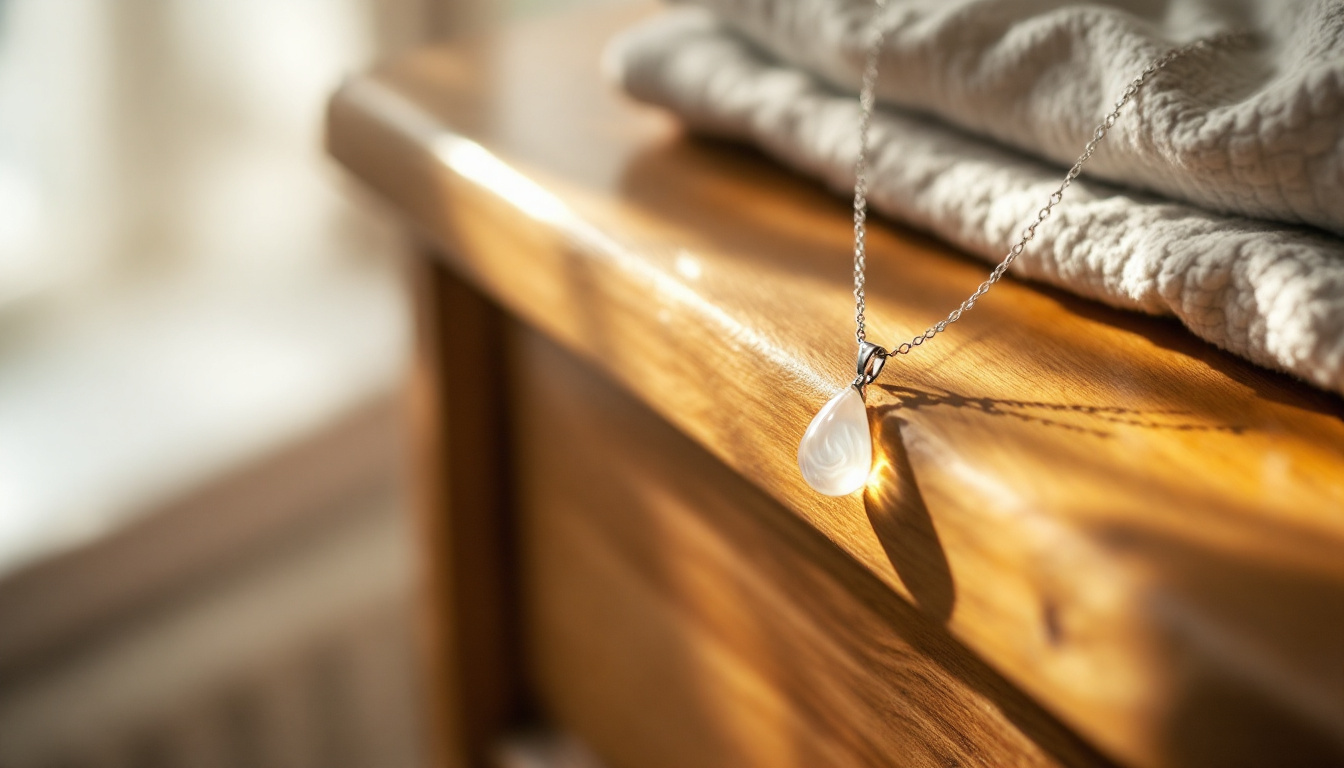
Cremation jewelry — a pendant, ring, or bracelet holding a small amount of a loved one's ashes — is the most searched-for form of memorial keepsake there is, and the quietest: nobody who sees it needs to know what it carries. This guide covers the two very different kinds of ashes jewelry, what each honestly costs, where to buy well, and the practical things families wish someone had told them first.
The usual disclosure, because you deserve it: I'm Preston Zeller, a memorial artist. I make commissioned memorial paintings that can incorporate ashes — a different object at a different price — so I'm writing about jewelry as a knowledgeable neighbor, not a seller. Jewelry is the right choice for many people, and this guide will tell you plainly when it is.
The two kinds of cremation jewelry
Chamber jewelry you fill yourself
The most common and most affordable kind: a pendant or bracelet with a small hollow compartment, sealed with a tiny screw. You — or the funeral home, at no charge, if the task feels too hard — place a pinch of ashes inside. The ashes stay ashes, held close rather than transformed. These start around $20 in stainless steel and rise with precious metals.
Infused jewelry made from the ashes
Here the ashes become part of the material itself: fused into glass, set into crystal resin or crushed opal, fired into ceramic, or — at the far end of cost and commitment — grown into a laboratory diamond over months. The ash is permanently transformed and often visible, a swirl of white in the stone or glass. Infused pieces generally run $69 to $550; diamonds are their own category entirely, from roughly $1,000 to $20,000+.
What cremation jewelry costs
| Type | Typical range |
|---|---|
| Self-fill chamber pendants and bracelets, stainless steel | $20–$100 |
| Chamber jewelry in silver or gold | $100–$500+ |
| Ash-infused glass or resin pendants | $69–$300 |
| Infused rings, crushed opal, and premium settings | $200–$550 |
| Laboratory diamonds grown from ashes | $1,000–$20,000+ |
Ranges are approximate 2026 figures for orientation — confirm with any provider. Every option uses a tiny amount of ashes — a pinch to a fraction of a teaspoon — so jewelry combines naturally with anything else you're considering; my guide to what to do with a loved one's ashes shows how families put the pieces together.
Where to buy it
Funeral homes stock chamber pendants and will fill and seal them for you — worth asking about if the do-it-yourself moment is the obstacle. Spirit Pieces carries the widest infused range — glass, crystal resin, crushed opal, rings through earrings, $69–$549 — through their network of American artisans; my full Spirit Pieces review covers how their process works. Glass studios that make larger memorial pieces usually offer pendants too — see my guide to ashes into glass. And a local jeweler can set an infused stone or build a custom chamber piece if you want precious metals and a personal hand.
What jewelry is genuinely good for
- Carrying them with you, literally. No other option travels. For the widow who talks to her husband on morning walks, a pendant at the collarbone answers something an urn on a shelf cannot.
- Privacy. A memorial nobody else needs to notice or ask about. For grievers who don't want conversation, this is the whole point.
- Accessibility. At $20–$100 for a chamber pendant, this is the least expensive way to keep ashes close — and the easiest to give: many families buy several so each sibling and grandchild has one.
- Sharing without dividing much. Five pendants use less ash than one glass orb. When the ashes themselves feel precious to divide, jewelry asks for almost nothing.
Worth knowing before you buy
- These are catalog products. Even beautiful infused pieces come from established designs — personal because of what they hold, not personalized to who the person was. That's not a flaw; it's just what the object is.
- Small things get lost. The hardest truth in this category. A pendant that carries ashes and vanishes at the gym is a real second loss, and it happens. Many people wear cremation jewelry for occasions rather than daily, or keep it somewhere safe between wearings. Choose a sturdy chain and a secure clasp over a delicate one.
- Seal chamber jewelry properly. The screw closures are tiny. Ask the funeral home to seal it, or use a drop of thread adhesive — and don't reopen it.
- Resin and opal need gentle care. Keep infused resin pieces away from perfume, lotion, and long soaks in water; glass is far more forgiving.
- Mailing ashes has one legal route. If a provider needs ashes sent in, it must go USPS Priority Mail Express with cremated-remains packaging — reputable companies send a proper collection kit. FedEx and UPS both prohibit cremated remains.
When jewelry isn't the answer
Jewelry is for carrying someone with you. It does nothing for the house — the living room where they're missing, the wall that faces you at dinner. If what aches is the home rather than the person-to-person distance, what you're describing isn't a pendant; it's presence at the scale of a room.
That's the work I do: original commissioned memorial paintings, designed one-on-one from your memories of them, with a small amount of ashes worked into the paint — from $4,900, weeks of conversation and painting, one of one. The two aren't competitors; they answer different aches, and because both use so little ash, many families have both: a pendant for the person who carries them, a painting for the home where everyone gathers. I've written about how transformed memorials compare in cremation glass or a memorial painting — the same logic applies to jewelry.
Frequently asked questions
How much ash does cremation jewelry use?
A pinch — typically far less than a quarter teaspoon, whether filling a chamber or infusing glass or resin. The remaining ashes stay with you for anything else that feels right.
Is it okay to wear a loved one's ashes?
Yes. It's one of the oldest memorial practices there is — mourning jewelry goes back centuries — and millions of people wear it today. Whether it comforts you is the only test that matters, and there's no deadline for deciding.
Can I shower or swim in cremation jewelry?
Best not to. Water can work at chamber seals over time, and soaking is hard on resin. Take it off for showers, pools, and the ocean — which is also when pieces are most often lost.
What if the jewelry is lost?
This is why providers ask for — and you should send — only a tiny amount, and why keeping most of the ashes at home matters. A lost pendant is painful; it shouldn't be catastrophic.