Cremation Glass or a Memorial Painting? An Honest Comparison
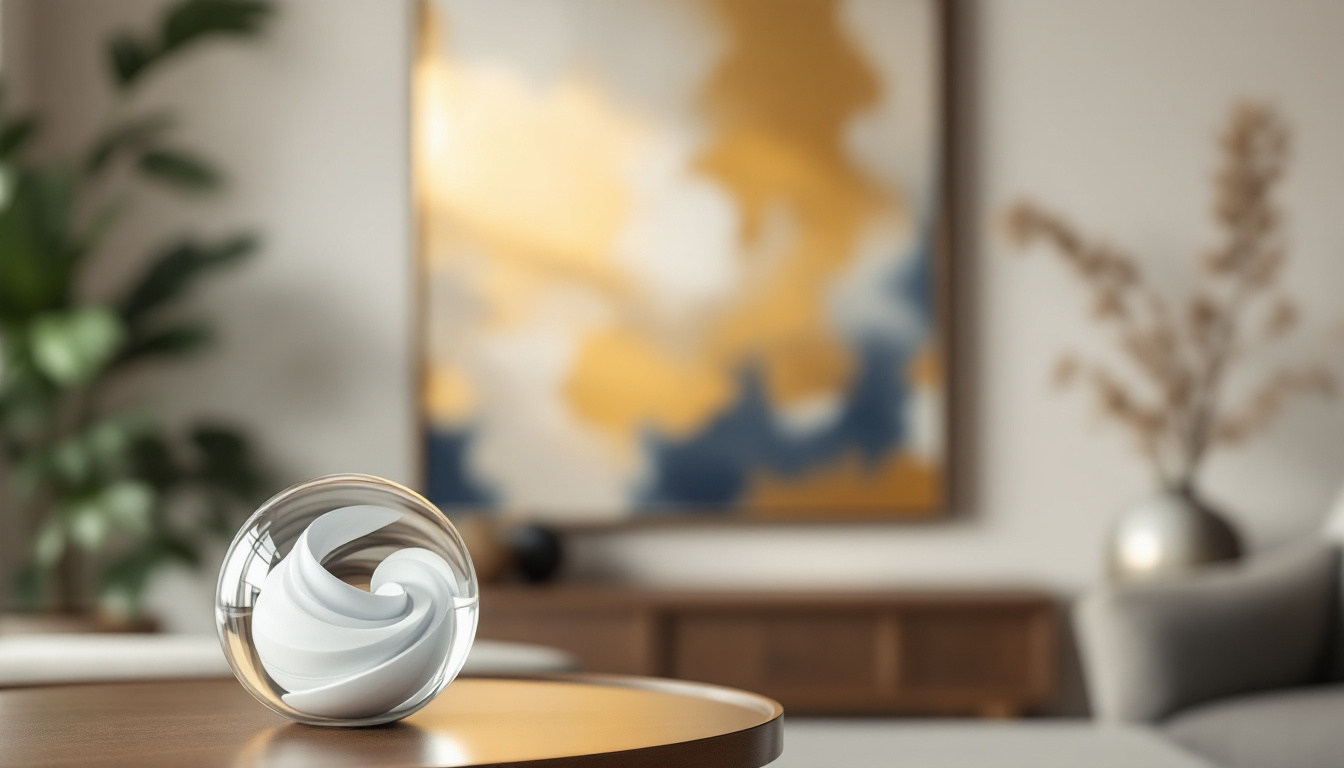
Cremation glass and memorial paintings answer the same longing — let the ashes become part of something beautiful — in profoundly different ways. One is a handmade keepsake chosen from a catalog, usually under $300. The other is a one-of-one commission built from your memories, starting around $4,900. This comparison lays out the real differences so you can tell which question you're actually asking.
I should be plain about where I stand: I'm Preston Zeller, and the paintings are mine — commissioned memorial paintings with a small amount of ashes worked into the paint. But I'll tell you honestly when glass is the better answer, because it often is, and a family steered wrong helps nobody.
The short version
Choose glass when you want something beautiful, affordable, and shareable soon — especially when several family members each want a keepsake. Choose a painting when the point is the person: a memorial designed from who they were, at the scale of a wall, meant to anchor a room for generations. Choose both if budget allows — each uses only a spoonful of ashes, so neither forecloses the other.
Side by side
| Cremation glass | Memorial painting | |
|---|---|---|
| Cost | Roughly $70–$550 per piece | From $4,900 |
| What you get | A handmade orb, heart, suncatcher, or jewelry with visible ash swirl | An original abstract painting designed from your memories, ashes in the paint |
| Where the design comes from | A catalog of shapes and colorways | One-on-one conversation about who they were |
| Ashes used | About half a teaspoon to a tablespoon | A similarly small amount |
| Timeline | Four to eight weeks | Weeks of conversation and painting |
| Presence in the home | A shelf, windowsill, or worn as jewelry | A wall — the room's anchor |
| Sharing with family | Order multiple pieces from one portion of ashes | One original; prints let family members each bring it home |
Where glass genuinely wins
Price. At a tenth or less of a commission's cost, glass makes transformation accessible. If $4,900 isn't in reach — or simply isn't what this loss calls for — glass is not a lesser choice. It's the right choice at a different scale.
Multiples. Five siblings can each hold an orb made from the same session. There's real democracy in that: nobody negotiates over a single object.
The visible swirl. In glass, the ash is what you see — a white veil inside the color. Paintings hold the ashes differently: worked into the paint, present but not pointed at. Some families need to see it; glass gives them that.
Speed and simplicity. Choose, ship, receive. No design conversations, no decisions about a person you're still too raw to talk about at length. Grief sometimes wants fewer choices, not more. Providers like Spirit Pieces and Artful Ashes have this down to a reliable process — my guide to ashes into glass covers them in detail.
Where a painting is different in kind
It's built from who they were. This is the fundamental distinction, and it's not about quality — glass artists are genuinely skilled. It's about origin. A catalog shape existed before your loved one's name entered the process. A commission starts with hours of conversation about them — how they laughed, what they endured, the shape of their presence in a room — and the painting exists only because they did. Nothing about it could belong to anyone else's person.
Scale and daily presence. A keepsake lives on a shelf and, honestly, sometimes in a drawer. A painting occupies the wall of the room where life happens. You don't take it out to remember; it's simply there, every ordinary day.
The process is part of the memorial. Families consistently tell me the weeks of conversation — being asked real questions about the person, out loud, with someone whose job is to listen — did grief work that surprised them. You're not buying an object so much as making a record of a life, with help.
Prints solve the sharing problem. The original hangs in one home, but prints of the finished painting let siblings and grandchildren each bring the same image into their own rooms. One person's commission becomes the whole family's memorial.
The honest question to ask yourself
Strip away the price difference and ask: do I want a beautiful object that holds their ashes, or do I want a work of art that holds who they were? If the first sentence already feels complete, choose glass and don't look back — it will comfort you for decades. If the second sentence names an ache the first one doesn't touch, that's the signal that a commission is what you're actually looking for, and the budget conversation is worth having.
And if you're still upstream of this whole question — not yet sure whether transforming the ashes is right at all — start with my guide to what to do with a loved one's ashes, which walks through every option, including the ones that cost nothing.
Frequently asked questions
Can we do both glass and a painting?
Yes, and families often do. Each uses only a small spoonful of ashes. A common pattern: glass keepsakes for the extended family now, and a commissioned painting for the family home when you're ready.
Are the ashes visible in a painting?
Not the way they are in glass. The ashes are worked into the paint itself — part of the material of the painting rather than a visible feature. Families who want to point to the ash usually prefer glass; families who want presence without display usually prefer the painting.
Why do memorial paintings cost so much more than glass?
Because they're commissions, not products. The price covers weeks of an artist's work: the conversations, the design built from your memories, and the painting itself — a one-of-one original at wall scale. Glass pieces are handmade, but from established designs in efficient studio sessions, which is exactly why they can cost a tenth as much.